Skip to content
Caltabellotta for Tourist
Things to see in Caltabellotta

From the Madrice Cathedral to Castello Conte Luna and San Pellegrino Hermitage. Discover twelve places in Caltabellotta’s historic centre and nearby Sant’Anna.

Open the interactive guide
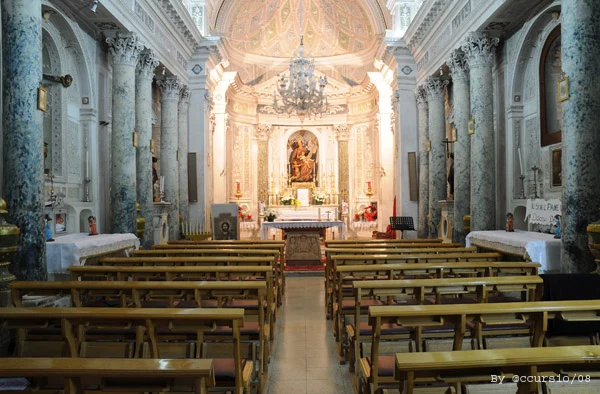
The Madrice Cathedral in Caltabellotta

Cattedrale Madrice

The Church of the Assumption holds centuries of art and history. Step inside to discover its pointed arches and the chapel of the Madonna della Catena, with stucco decoration, paintings and sculptures by the Gagini family and Antonio Ferraro.
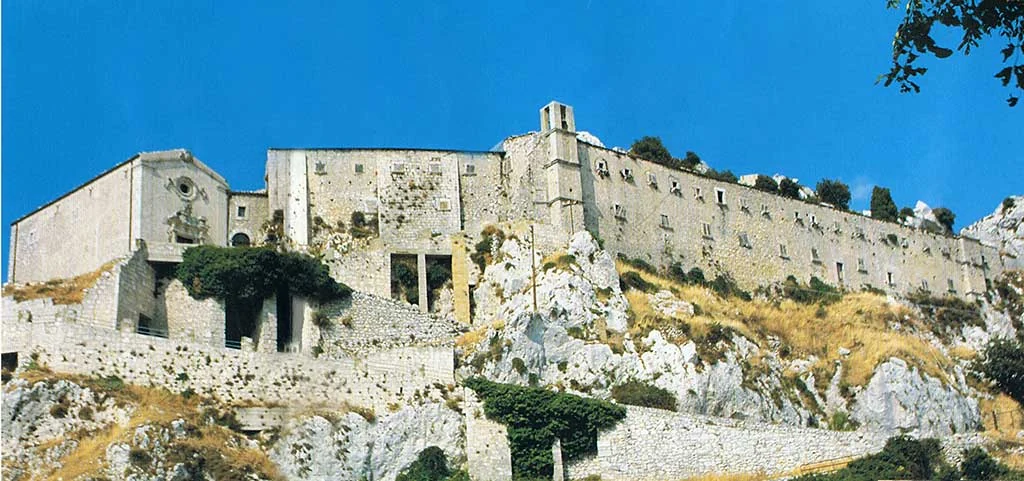
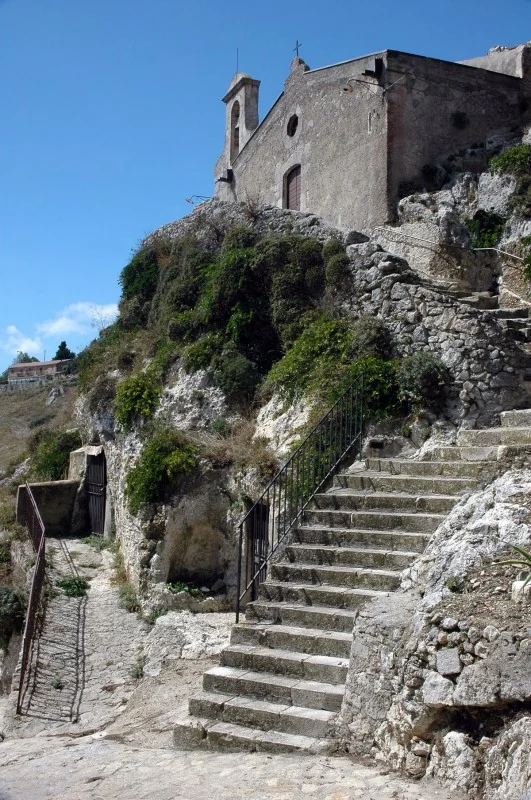
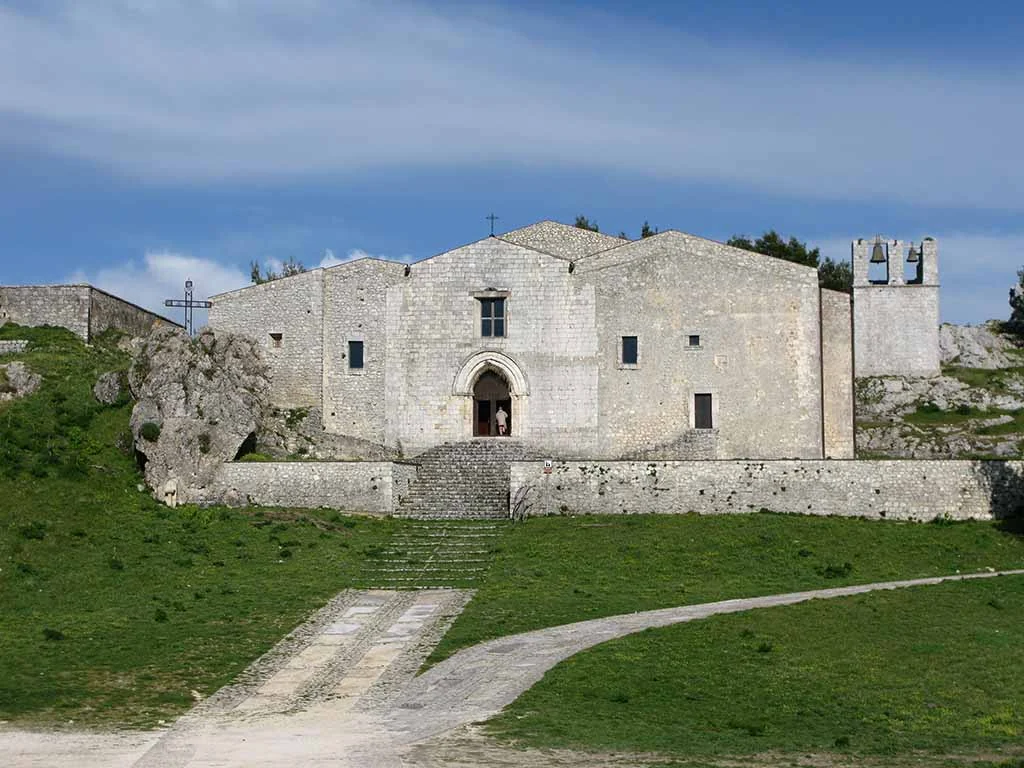
San Pellegrino Hermitage

Built on the living rock, the San Pellegrino hermitage includes a church, a convent and two caves linked to the tradition of the village’s patron saint. Its façade and doorway reveal the history of a place closely tied to Caltabellotta’s identity.

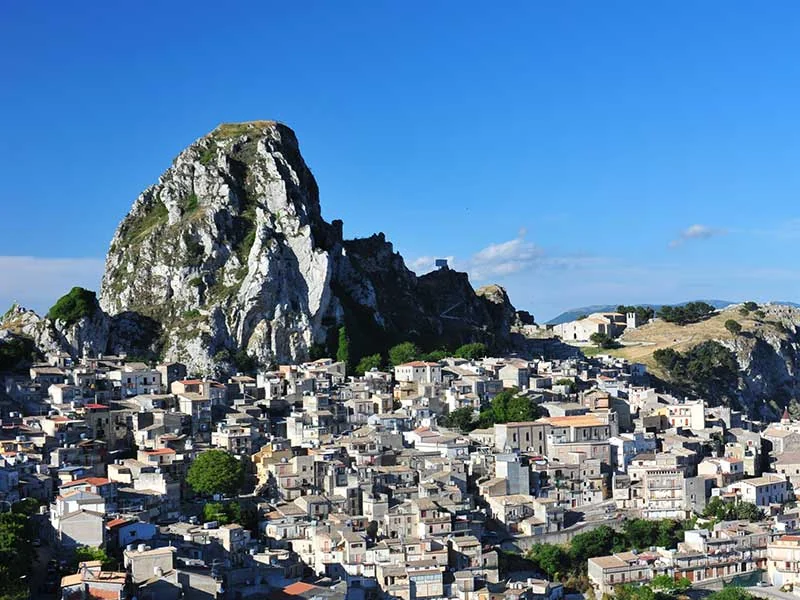
Castello Conte Luna

Known as “Pizzo”, the mountain preserves the remains of a Norman castle and its entrance tower. Stories of fortifications, sieges and legends surround this landmark above Caltabellotta.

Monte della Pietà

Monte della Pietà shelters the man-made cave of San Cono, with six rooms and carved doors and windows. Above the cave, the small Church of Pietà preserves a fresco dating from the fifteenth century.

Sant’Agostino and San Lorenzo

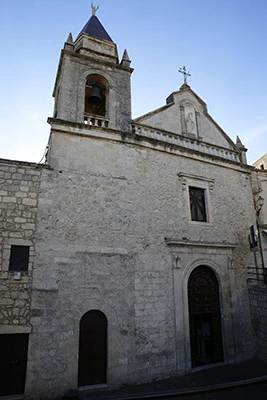
This complex brings together the churches of Sant’Agostino and San Lorenzo. The bell tower preserves medieval features, while Sant’Agostino’s façade has Baroque forms. Inside is the Lamentation over the Dead Christ, a group of eight polychrome terracotta statues made by Antonino Ferraro in 1552.

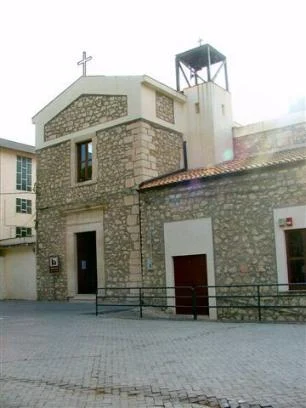
Church of the Capuchins

Dedicated to Saint Francis of Assisi, the church belonged to the Capuchin convent founded in 1614. It holds an altarpiece by Fra’ Felice da Sambuca, a finely carved walnut altar and the wooden crucifix known as Dio Vivo. The so-called “modern” catacombs lie beside the church.

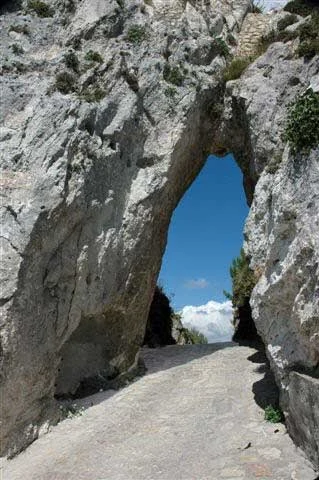
“U Pirtusu”

“U Pirtusu” is a natural passage through the rock connecting the southern and northern slopes. Ancient burial cavities lie on either side; one became a votive chapel in Byzantine times, as the niches carved into its wall indicate.

Church of Itria

The Church of Santa Maria dell’Itria features rich Baroque stucco decoration and a wooden choir beside the main altar. Its doorway has four columns, two of them twisted, with Corinthian capitals and a figurative medallion.

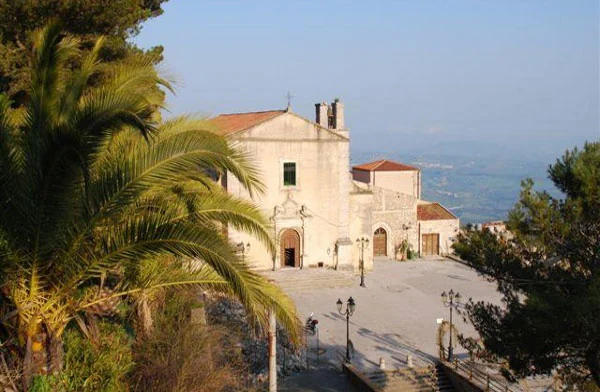
Church of the Carmine

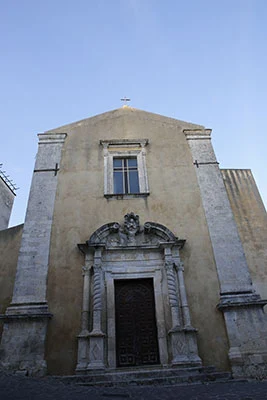
Known as the New Mother Church, this church belonged to the Carmelite convent. Behind its simple façade is a single nave with side chapels. The altar holds the Madonna delle Grazie, carved by Antonello Gagini in 1534 and placed in a gilded niche made by his son Fazio.

Civic Museum

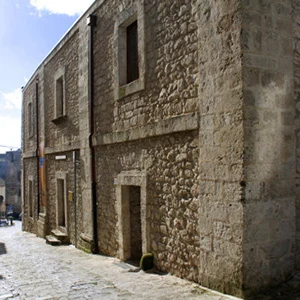
The Civic Museum of Caltabellotta is housed in Palazzo della Signoria, at 3 Via Madrice. A cultural stop on a walk through the historic centre.

Santa Maria di Montevergine

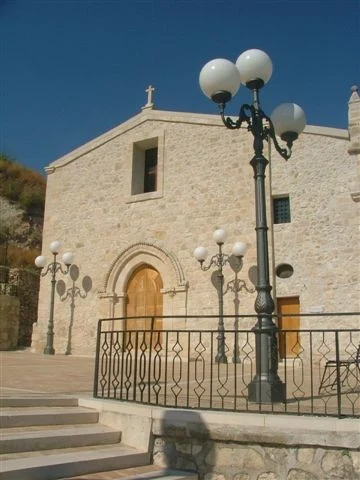
The Church of Santa Maria di Montevergine stands just outside Sant’Anna. Its single-nave structure has undergone several changes, but preserves a Gothic doorway with capitals decorated with closely packed, lance-shaped leaves.

Collegio di Maria

In the centre of Sant’Anna, Collegio di Maria adjoins the seventeenth-century Church of Santa Maria del Fervore. Near the main altar is a mosaic fragment dating from the late fifth or early sixth century, decorated with plant and geometric motifs.